Some Lessons Are Worth Learning Through Experience
Learn how workplace concepts like Parkinson’s Law and Lean Thinking can become valuable life lessons for children by learning through experience, not theory.
Know how workplace concepts like Parkinson’s Law and Lean Thinking can become valuable life lessons for children by learning through experience, not theory. Working in project management and Agile has taught me a lot over the years.
The funny part is, the more I learn at work, the more I notice that many of those lessons aren’t just meant for offices.
They quietly show up at home too. Especially while watching children learn.
What surprised me even more was this…
Children don’t need to know the names of these concepts.
They don’t need to know what Parkinson’s Law or Lean Thinking means.
Parkinson’s Law can wait
One funny thing about time. When we think we have plenty of it, we slow down. Without even realising. I don’t think productivity is always about working harder. Sometimes it’s just about creating the right urgency.
A deadline comes.
Focus comes with it.
No deadline…
Somehow we keep pushing the work.
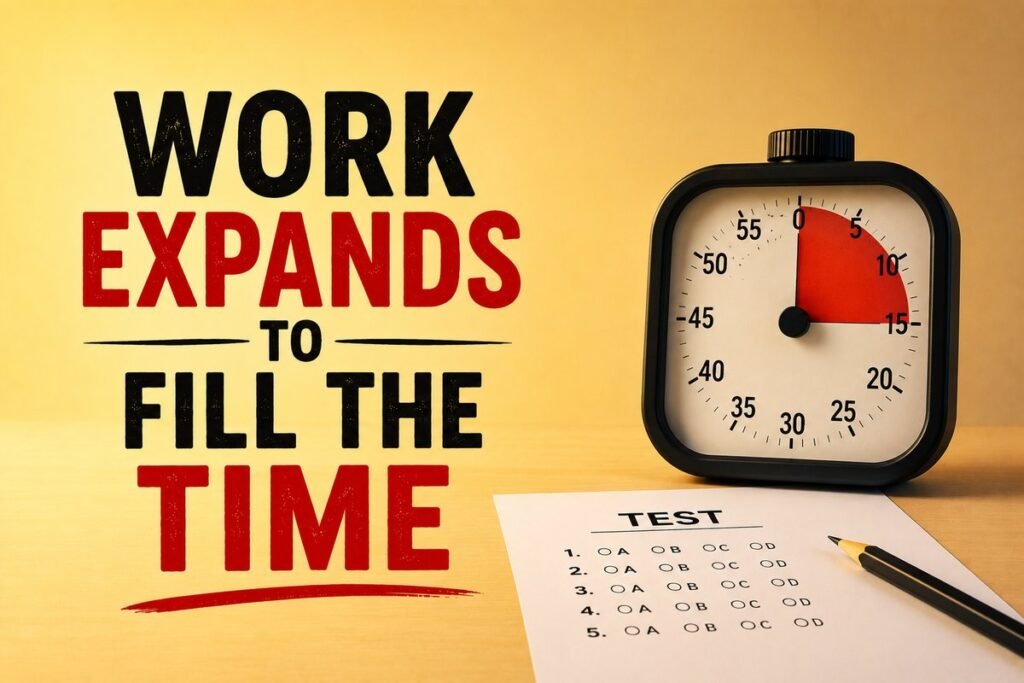
But I hope one day, when he starts managing his own studies, career, and whatever responsibilities life throws at him, he learns to create those deadlines for himself. Instead of always waiting for someone else to give him one.
As parents, I don’t think children learn the value of time just because we keep reminding them.
They learn it by experiencing it.
Missing something once.
Barely making it once.
That’s when it actually sinks in.
One missed project.
One failed exam.
One deadline almost missed.
So I’m sure, someday, he’ll also understand that work expands to fill the time we give it.
A backlog of assignments piling up until there’s no time left to play football.
Or homework stretching so long into the evening that play time gets skipped altogether.
Maybe it’s leaving a assignment for the last day and having no time left to add the finishing touches he actually wanted to.
One day, something he cares about will probably slip away simply because he thought he had plenty of time.
That day will teach him more than I ever could.
My job is to give space for those little experiences where the learning happens on their own.
Lean Thinking
One evening, while watching him do his homework, I realised Lean Thinking wasn’t just an office concept. Homework had been going on for almost 45 minutes, but very little was actually done.
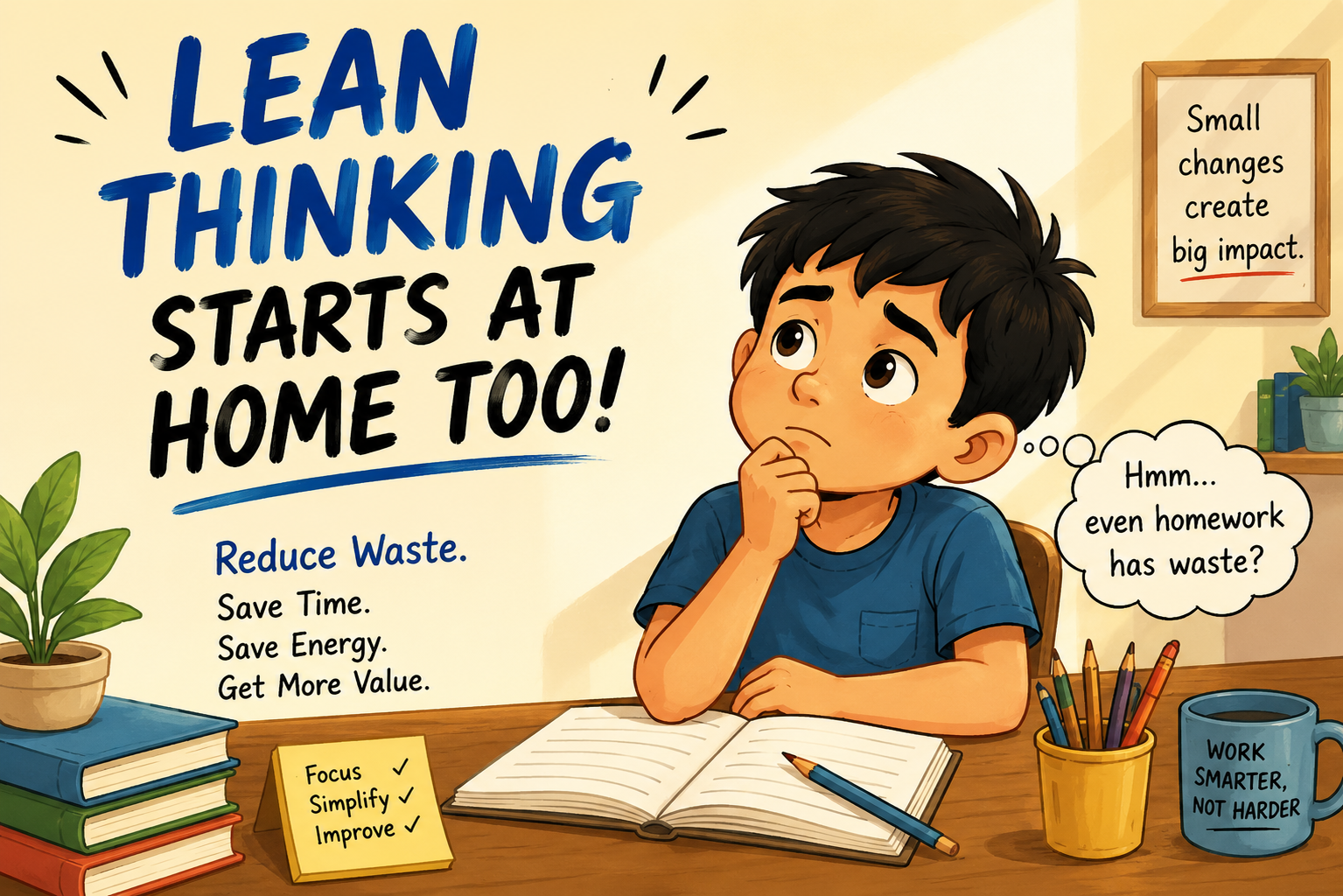
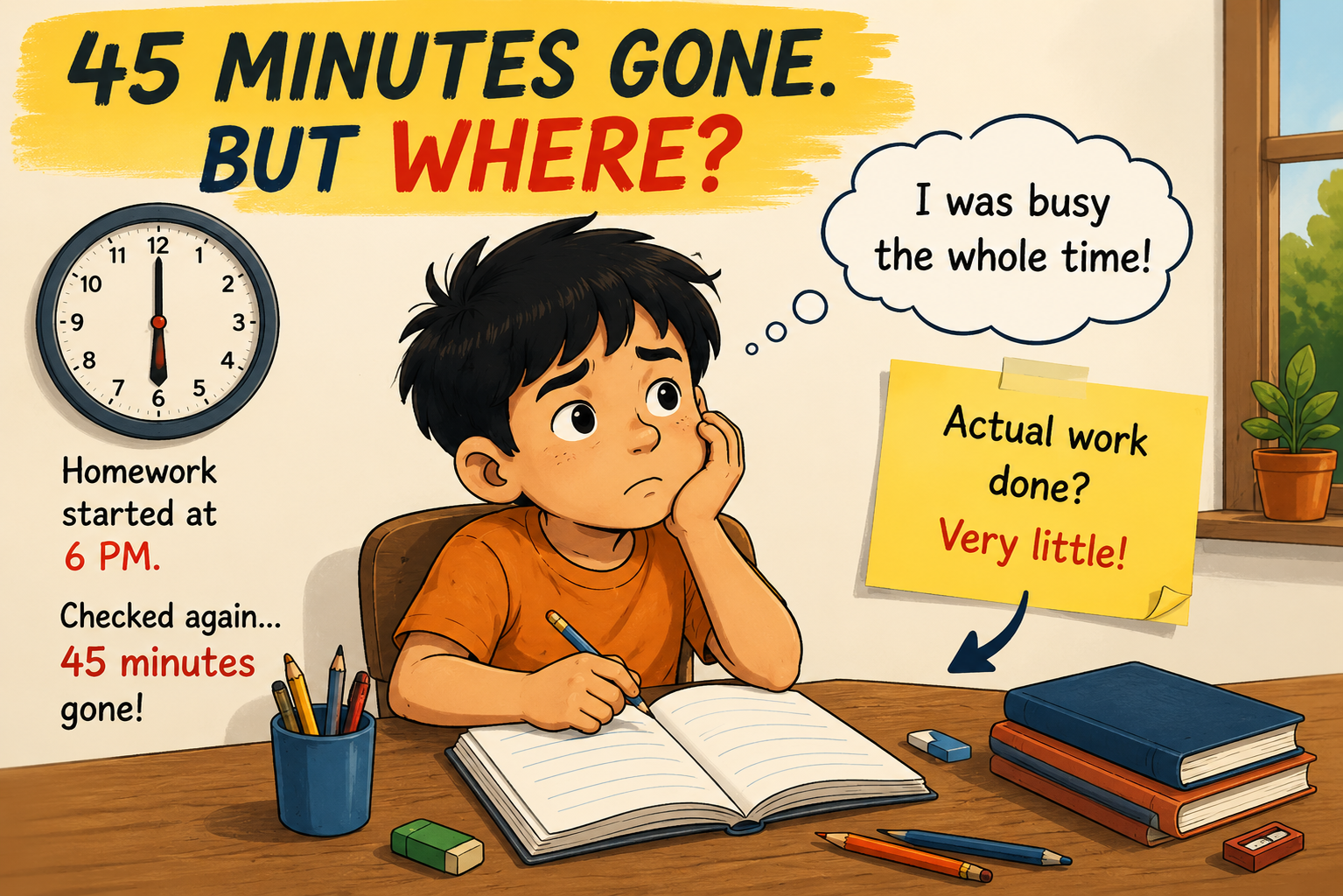
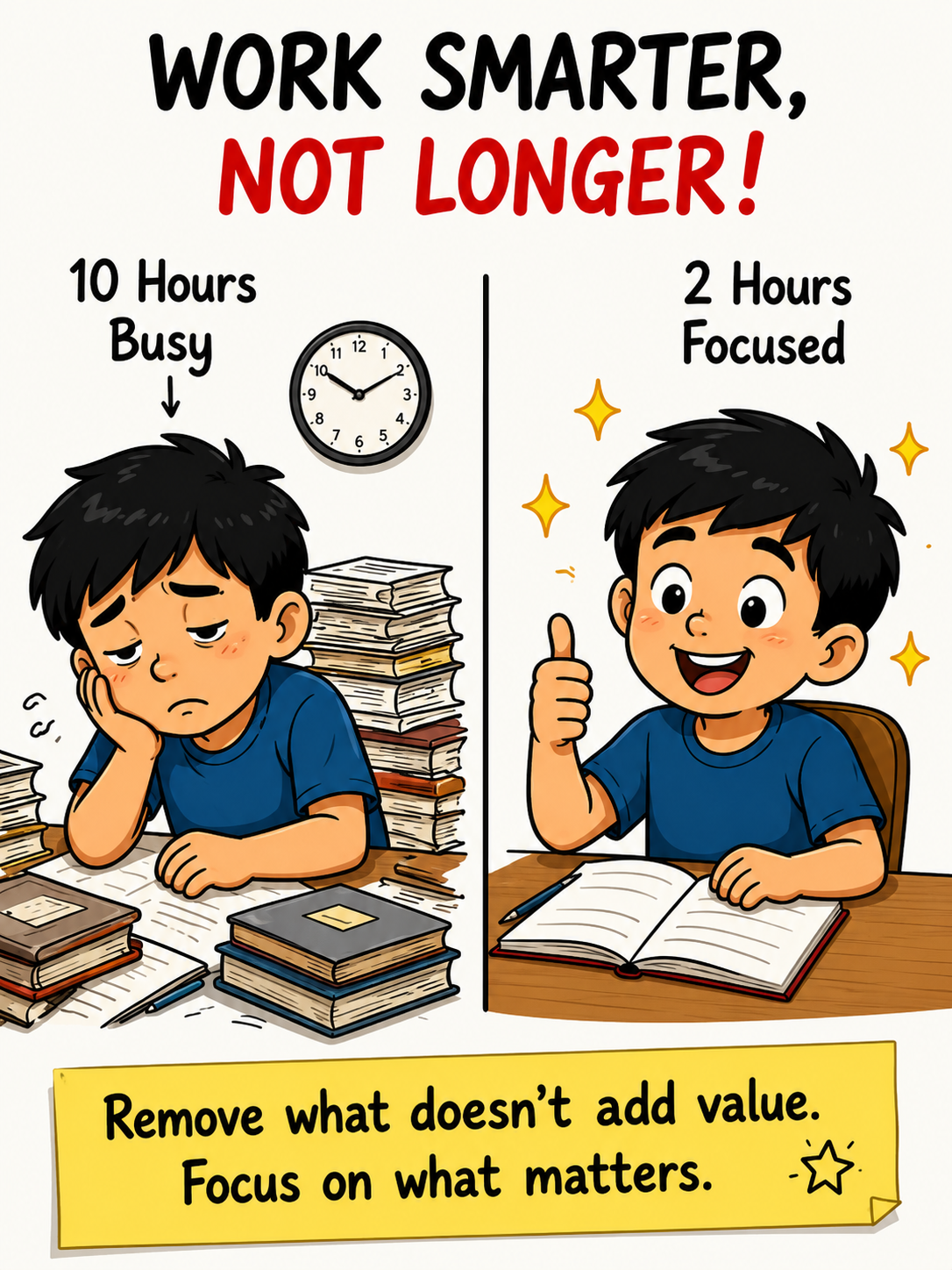
He looked busy the whole time, yet most of his time went into sharpening pencils, searching for an eraser, drinking water, changing study spots, or decorating headings. That’s when I realised how much time gets lost in small, hidden distractions. Suddenly, Lean Thinking didn’t feel like a workplace concept anymore – it felt like everyday life.
| Lean Waste | What it looked like at home |
|---|---|
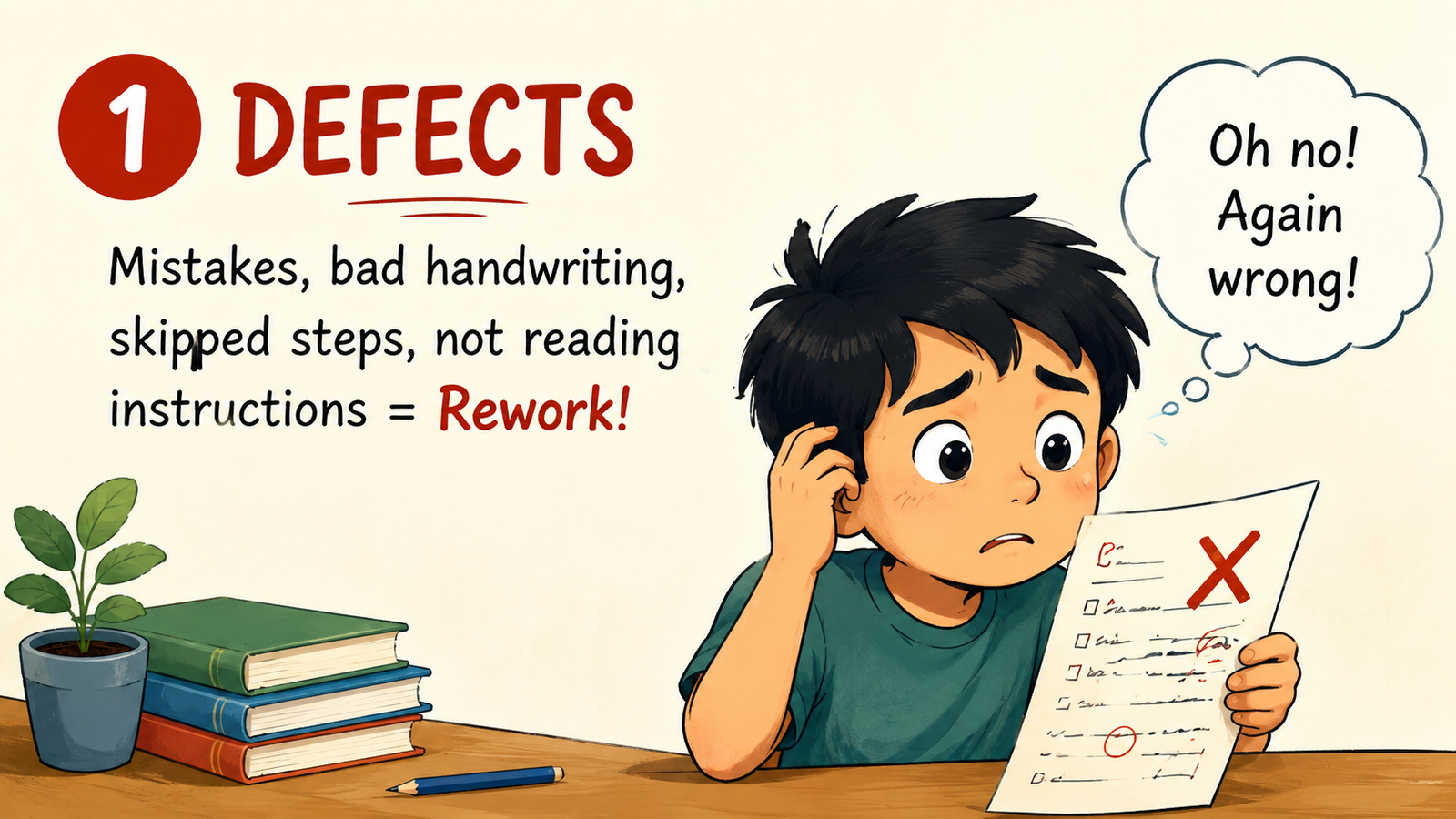
| Defects | Making mistakes in homework, bad handwriting, skipped steps in maths, incomplete classwork, or forgetting to read instructions properly – all of this creates rework. When he solves entire maths problem correctly but incorrect final unit or sign, so whole answer gets marked wrong. |
| Overproduction | Doing more than the task actually requires. For example, rewriting notes to make them look perfect, making school projects unnecessarily elaborate, or writing pages of answers when a few clear points would have been enough. More effort doesn’t always create more value. |
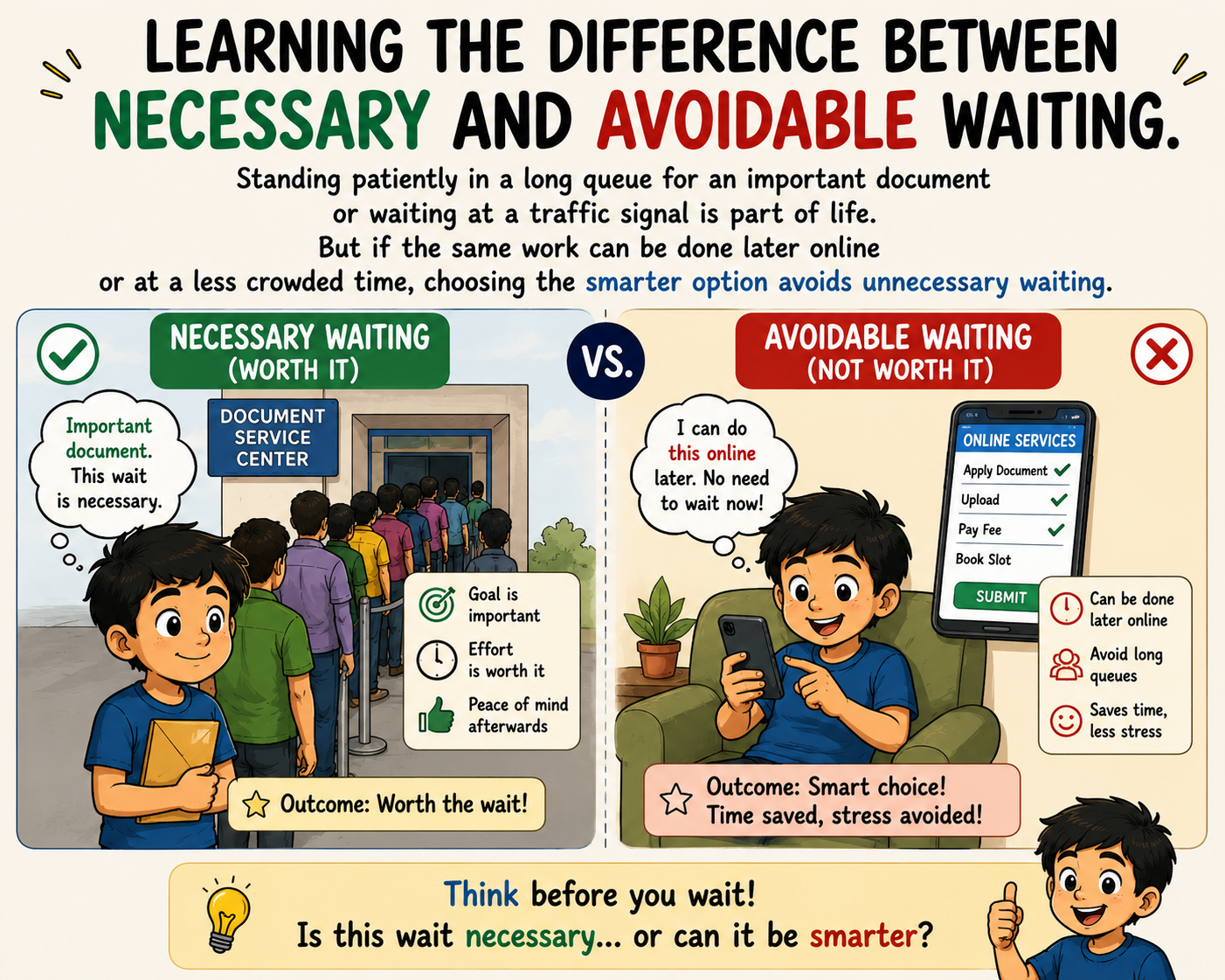
| Waiting | Learning the difference between necessary and avoidable waiting. Standing patiently in a long queue for an important document or waiting at a traffic signal is part of life. But if the same work can be done later online or at a less crowded time, choosing the smarter option avoids unnecessary waiting. |
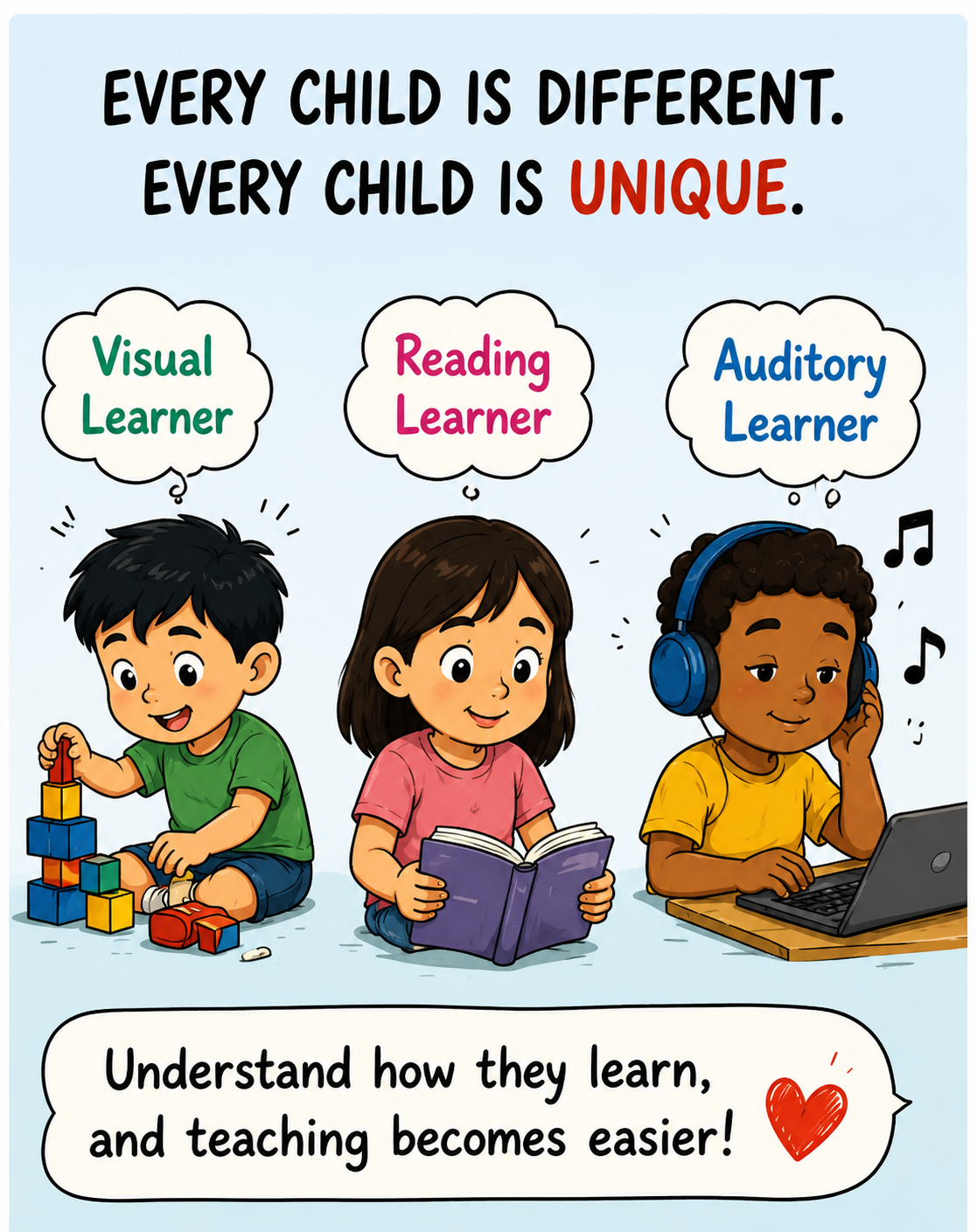
| Non-Utilized Talent | Not every subject should be learnt the same way. A child might understand science through experiments, history through stories, maths by practising, and languages by reading aloud. Helping them understand how they learn best is a skill that stays with them for life. |
| Transportation | Unnecessary movement from one place to another. Travelling long distance for tuition when online support or nearby options exist. Too much movement drains energy. |
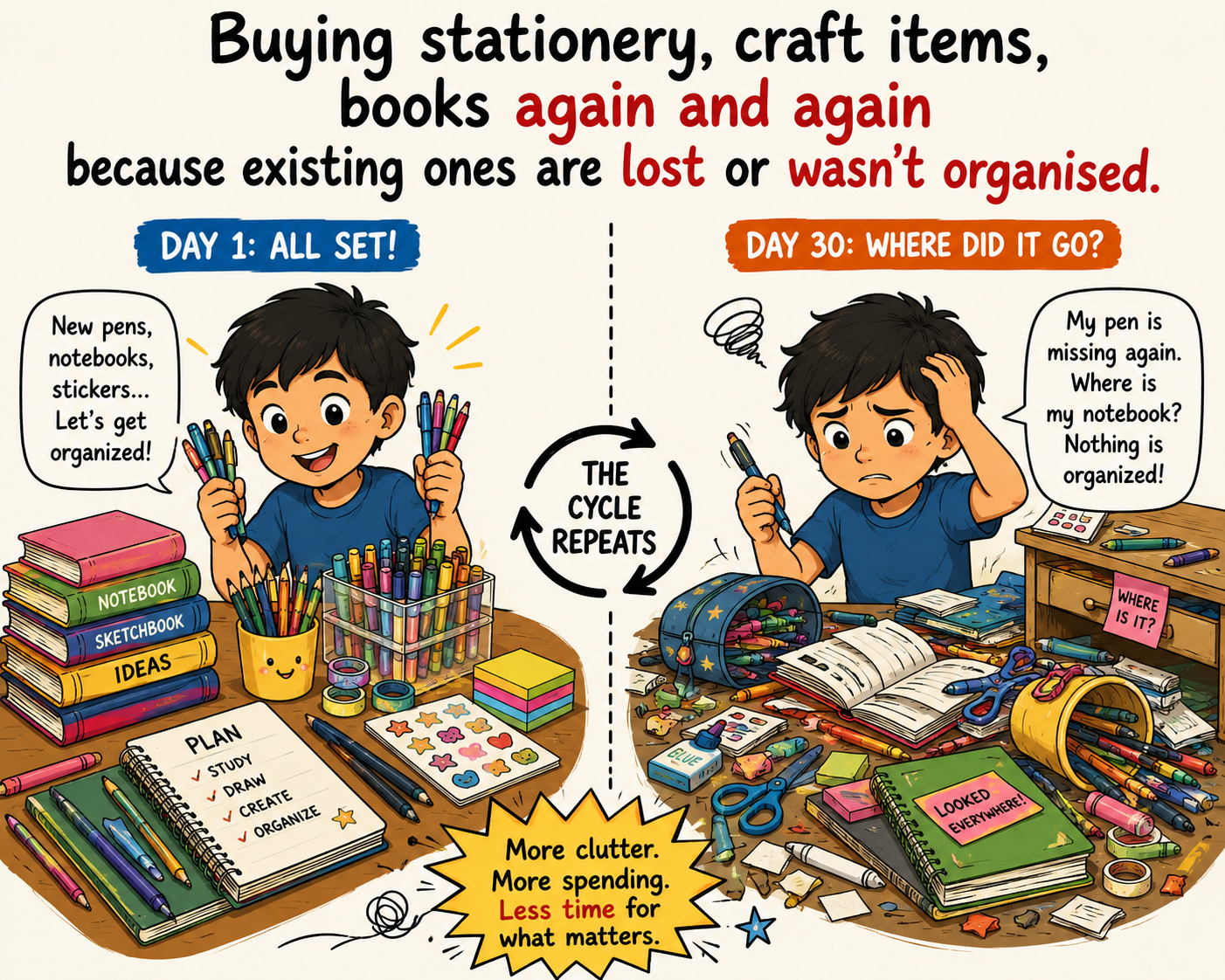
| Inventory | Buying stationery, craft items, books again and again because existing ones are lost or wasn’t organised. |
| Motion | Unnecessary movement while doing a task. Repeatedly getting up to find a pencil, eraser, water bottle, calculator, charger, or notebook because everything wasn’t organised before starting. These small interruptions break concentration. |
What I Learnt
After trying Pomodoro, Kanban board, Mad Sad Glad, Five Why’s… one thing I’ve learnt.
Not all lessons are meant to be taught.
Some are meant to be experienced.
Not lessons.
Not lectures.
An assignment eating into his football time. An eraser hunt eating into his homework time, reducing play time. Small things, but he’s the one connecting the dots, not me.
Honestly, I feel this is worth more than any lecture I can give him. I can explain Parkinson’s Law hundred times, explain Lean Thinking hundred times, he’ll forget by evening. But one missed football match because of pending assignment? That, he won’t forget.
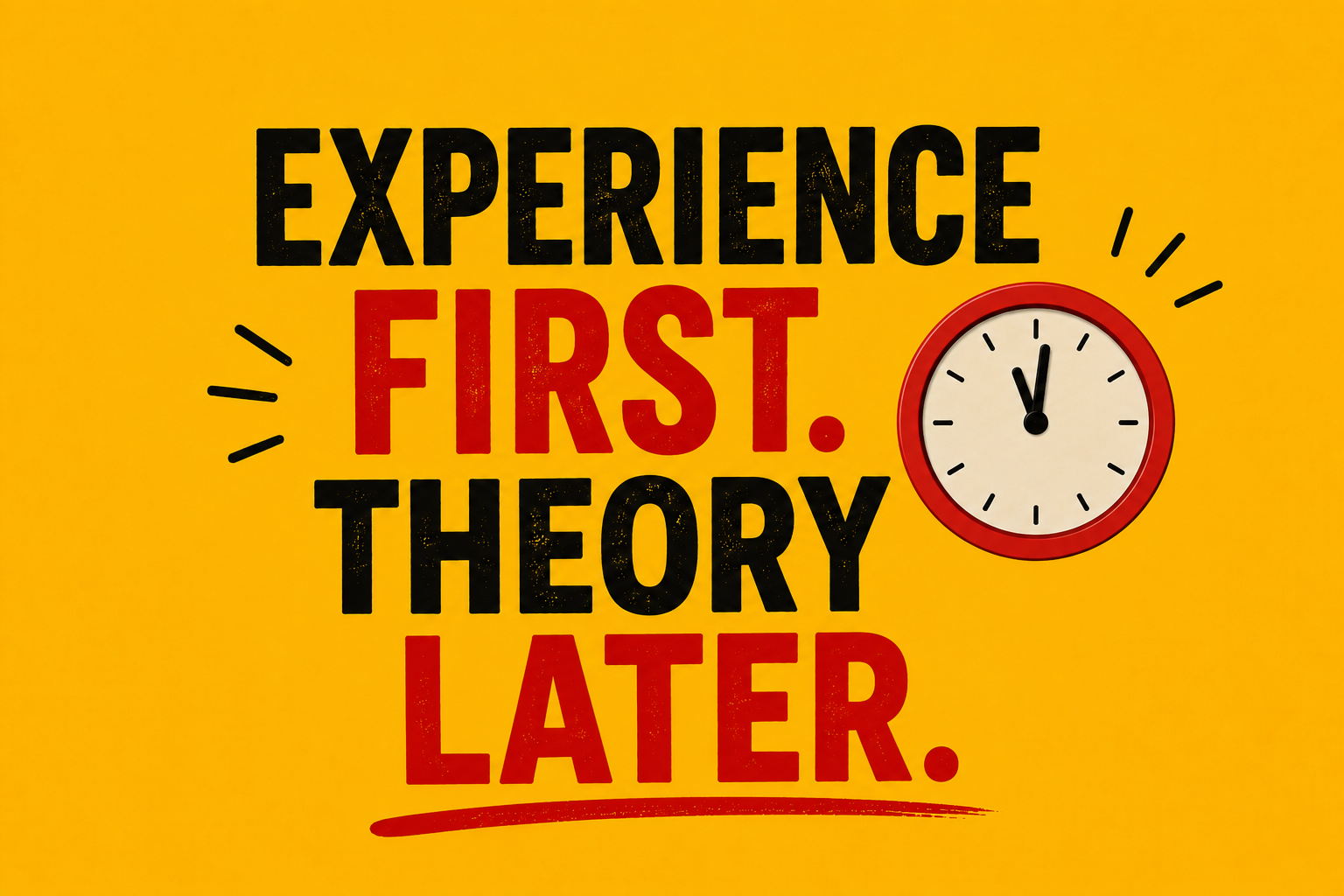
As they say “Some Lessons Are Worth Learning Through Experience”, let him learn it himself. Experience teaches what lectures never can!!
Read my other blog posts here.