The Most Powerful Agile Lesson Happened at Home
After working in multiple Agile projects, I did what many Agilists do. What I didn’t expect was for one simple Agile practice to spark some of the most meaningful conversations I’ve ever had at home.
Between 2017 to 2025, I was working on multiple Agile projects.
Like many people who learn something new, I became slightly obsessed with Agile. User stories, retrospectives, continuous improvement, feedback loops. You name it, I was seeing Agile everywhere.
And before I knew it, I had started bringing Agile home.
No, I didn’t create a Scrum board for my family.
At least not immediately.
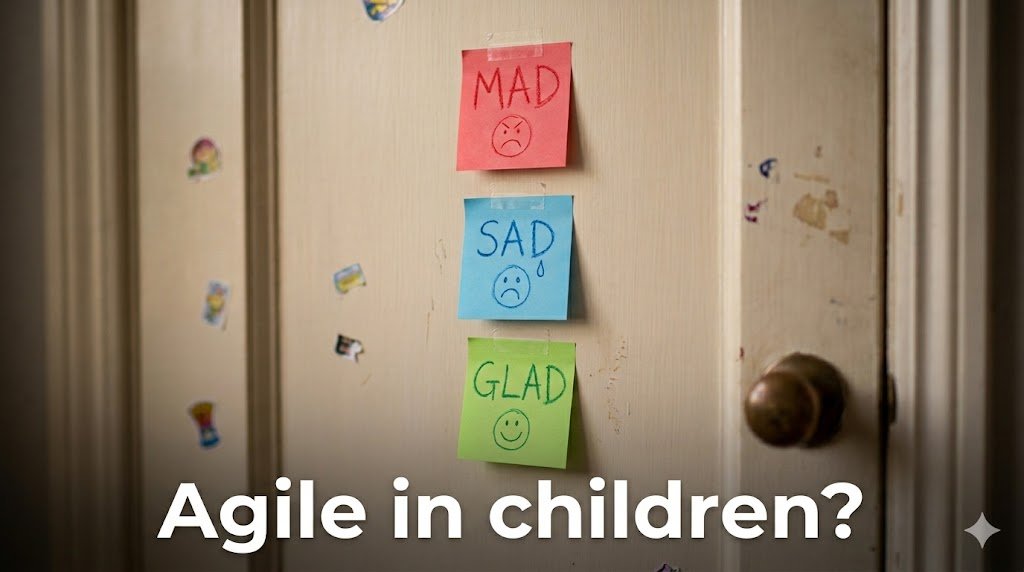
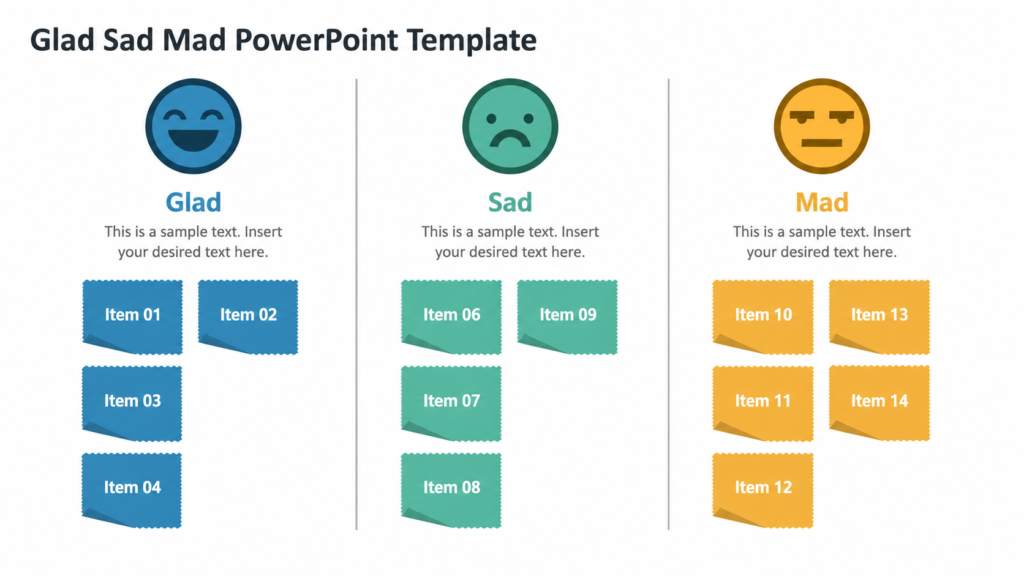
As part of my Agile at Home series, I had been wanting to try a simple retrospective technique called Mad, Sad, Glad at home for quite some time.
In project teams, it’s used to help people reflect on experiences and improve. The concept is simple:
Mad 😠
What frustrated us during this sprint/project?
Examples:
- Delays in approvals or decisions
- Unclear requirements
- Frequent scope changes
Sad 😔
What disappointed us or could have gone better?
Examples:
- Missed deadlines
- Team members feeling overloaded
- Stakeholder disengagement
Glad 😊
What went well that we should celebrate or continue doing?
Examples:
- Successful delivery of key milestones
- Strong collaboration across teams
- Positive stakeholder feedback
- Process improvements that saved time
- Team members stepping up to support others
Agile Retrospective at Home
Curious of this retrospective, I decided to try it at home. I expected a one-minute conversation.
Instead, I got a glimpse into a world I rarely saw.
He spoke about a classmate who upset him.
A game he enjoyed.
Something that disappointed him.
Something that made him proud.
What surprised me wasn’t the answers.
It was the fact that he had answers.
Over the next few days, the exercise became part of our evening conversations.
Some days were funny.
Some days were surprising.
Some days were eye-opening.
Slowly, I noticed a change.
Instead of simply saying “school was fine,” he started talking about specific experiences.
Instead of reacting immediately to situations, he started reflecting on them.
Without realizing it, he was developing a skill many adults still struggle with: self-awareness.
That’s when it struck me.
Agile isn’t really about frameworks, ceremonies, or sticky notes. At its core, Agile is about reflection, learning, adaptation, and continuous improvement.
And those aren’t workplace skills. They’re life skills.
The preparation for PMI-ACP certification taught me Agile. But watching Agile principles come alive at home taught me something even more valuable:
Agile Restrospective – Key Takeaways
- One thing I realized, Agile is not just for projects or office. You can actually apply it in day-to-day life too, even at home.
- Regular reflection sounds simple, but trust me, it helps a lot in understanding emotions better and improving communication.
- Children learn to express what they are feeling, whether happy, sad, angry, or frustrated
- Continuous improvement is not just some fancy professional term. It is genuinely a life skill.
Read my other blog posts here.