The Funny Side of the Pomodoro Technique
What happens when Agile meets parenting? I tried the Pomodoro technique at home to help my son handle study overwhelm. The result?
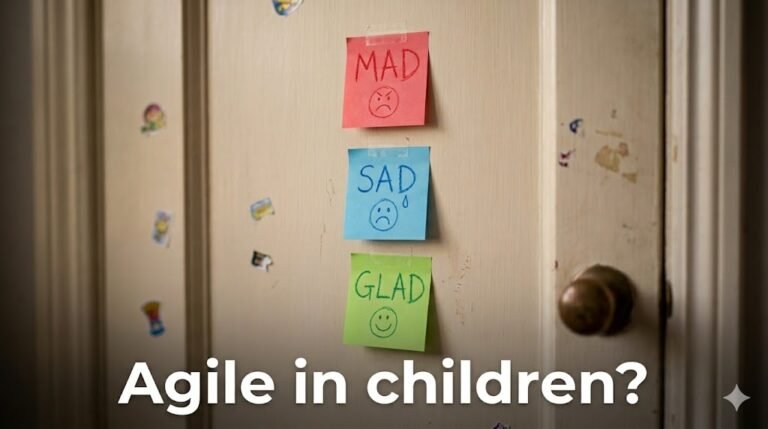
After trying Kanban boards, Mad, Sad, Glad, and the Five Why’s game at home, I thought of trying one more simple productivity technique. This time, it was sprint-based studying, or what most people know as the Pomodoro Technique.
The idea is simple. Don’t try to finish everything in one shot. Break the work into smaller chunks, study for a while, take a short break, and then come back and continue.
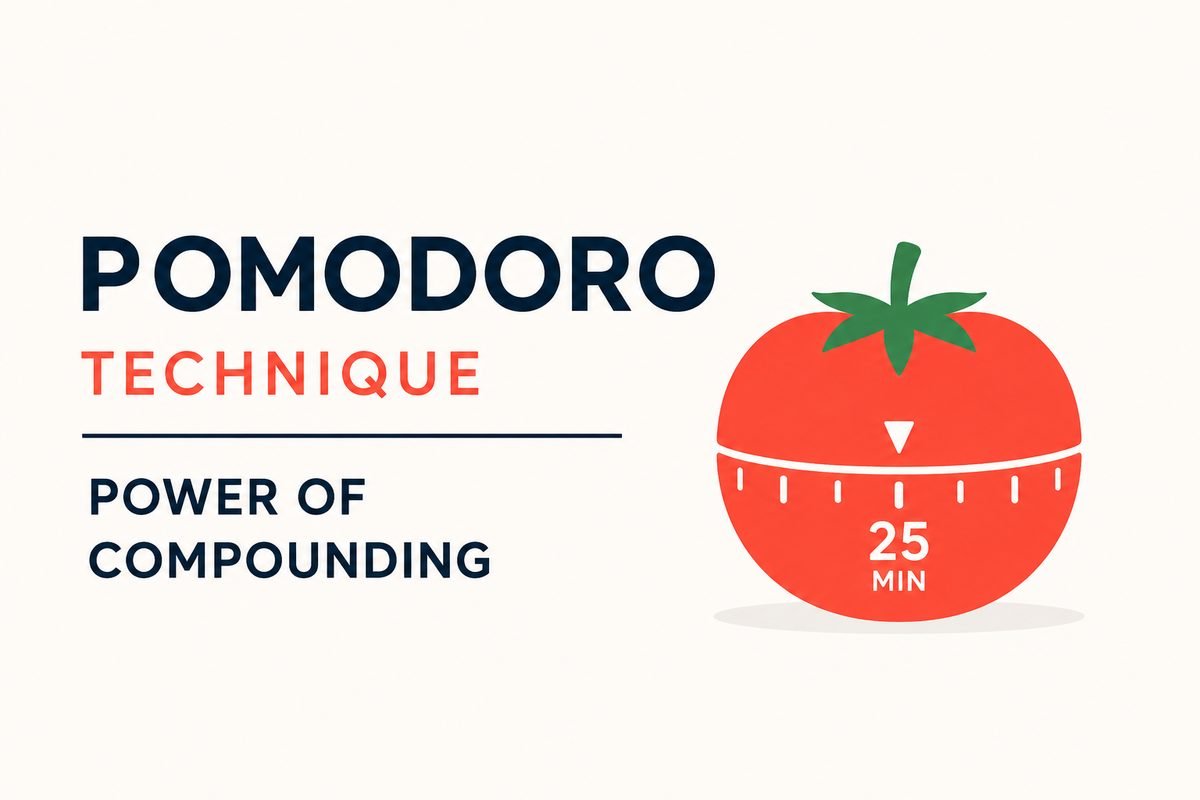
This technique was created by Francesco Cirillo in the late 1980s. He named it Pomodoro after the tomato-shaped kitchen timer he used while studying. I also liked something he once said -that the technique helped him make time his ally instead of his enemy. That was exactly what I wanted at home too.
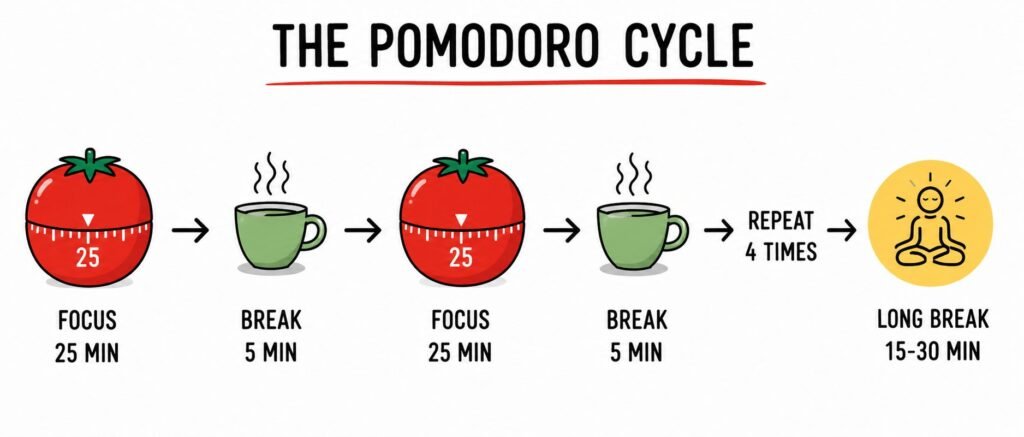
So instead of saying, “Finish everything today,” we started with something much smaller: 25 minutes of study, followed by a 5-minute break. Then another 25 minutes, another short break, and repeat. That’s it. Simple.
The First Few Days…
Honestly, even 25 minutes felt like a long time. Within five minutes there would be, “I’m thirsty.” A few minutes later, “Where’s my eraser?” Then suddenly, “What’s for snacks today?”
Somehow, every random question became important. Except the lesson in front of him. Attention would keep shifting from the water bottle to the pencil, then looking outside the window, and suddenly some completely unrelated question would pop into his head.
Basically… anything except studying.
The funniest part was the timer. Initially, it became more important than studying itself. Every few minutes the same questions would come: “How many minutes left?” A little later, “Still not over?” And towards the end, “Only five more minutes!”. The moment the timer rang, it didn’t matter whether one page was finished or five.
Break had officially started.
Pomodoro Technique – Rules Are Rules
One day, after finishing one subject, I didn’t even look at the timer. I simply said, “Good… let’s start the next subject.” The reply came immediately, “Mummy… it’s break time.” There was no discussion after that. Break means break.
Even today, if I accidentally forget, I get reminded almost instantly with the same line, “Mummy… break time!”
My Takeaway
This little experiment worked well for us. Not because technique was magical. Just because studying felt little less overwhelming. What I liked most wasn’t just that study time became easier. It was the habit we were slowly building. Without even realising it.
Today it’s school. Tomorrow it’ll be college. Then a job and everything else life throws at him. One chapter can feel like Mount Everest until you break it into one small study sprint.
Learning to break big things into smaller, manageable pieces isn’t just a study trick; it’s a life skill. And honestly, there are still days when nothing goes according to plan, and that’s perfectly okay.
If there’s just one thing I want him to carry with him in life, it’s this – big goals don’t happen in one day. One chapter a day. Five chess puzzles a day. One abacus page a day. A few questions every day.
None of these feel like a lot on their own, but over days, weeks and months they quietly add up. That’s all I wanted him to learn and experience. I think this is what people call the Power of Compounding.
Read my other blog post here.