Why Does Accepting Change Take So Long?
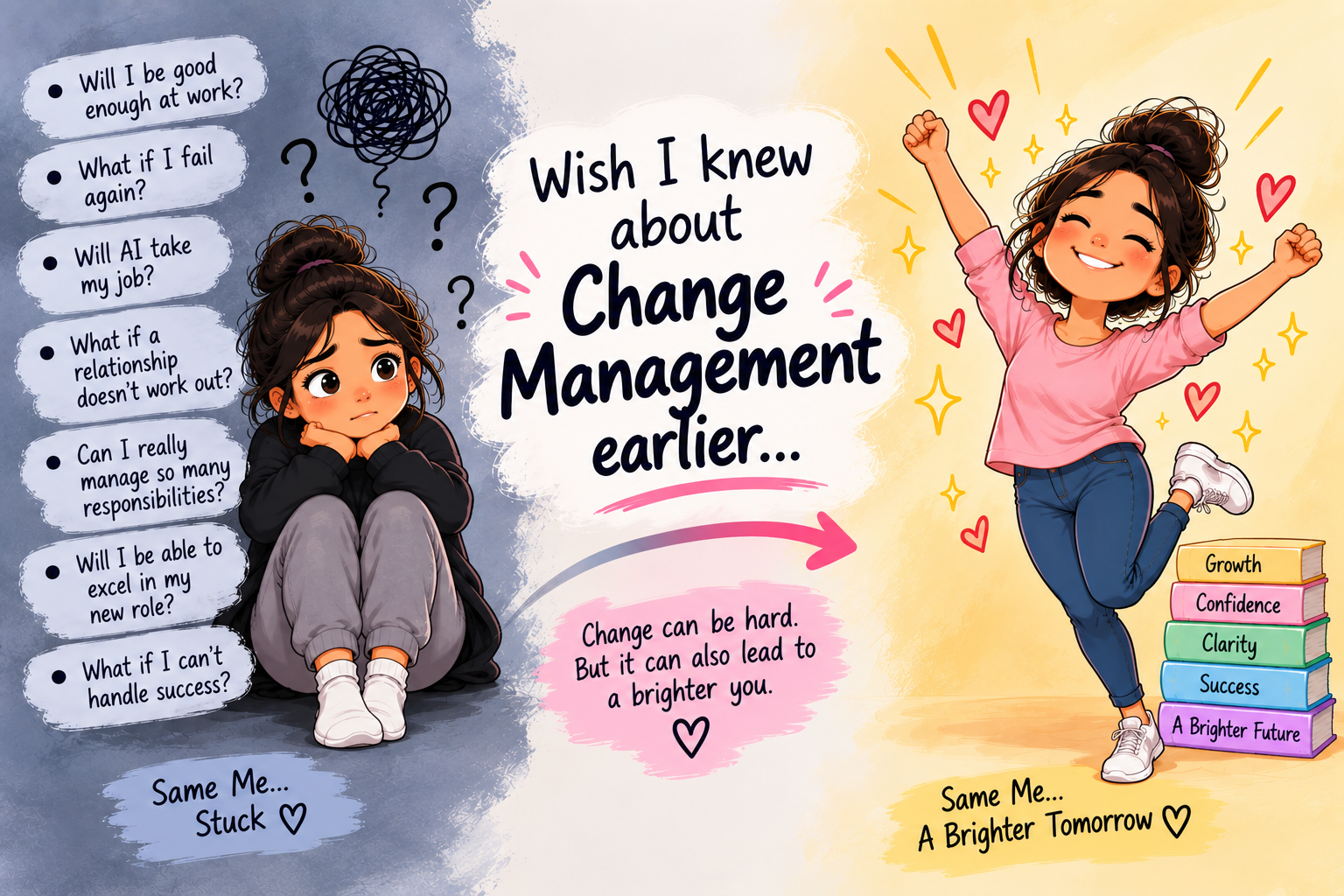
What if understanding ADKAR earlier could have made some of life’s biggest changes easier to navigate? I wish I had learnt change management sooner!
I sometimes wish change management was taught to us when we were small. Imagine if we had understood early how to deal with change, whether it was something as simple as moving to a new school or something much bigger later in life, like a sudden change at work, being asked to use AI tools, learning a completely new system, or adapting to a new process. I feel I would have navigated many changes in my own life much easier.
Because life doesn’t wait until we are ready. School changes. Friends change. Relationships change. Jobs change. Businesses change. Governments change. Sometimes circumstances change without asking us at all.
I would probably have understood why I felt shocked sometimes. Why I got angry. Why I kept thinking about how things used to be. Why I tried to negotiate with myself. Why some changes drained me completely before I finally accepted them.
At that time, I didn’t know these were actually different stages of dealing with change.
I simply thought, “Why am I finding this so difficult?”
Change doesn’t look the same every time
One thing I like about change management is the ADKAR model. It breaks change down into five simple things, Awareness, Desire, Knowledge, Ability and Reinforcement.
And when I look back at different situations in life, I can see how useful change management would have been to understand much earlier.
The interesting part is that the same five ideas can apply to a child changing schools, an employee learning AI, a woman navigating changes after childbirth, or even someone dealing with a completely unexpected change in life.
Childhood is where change management actually starts
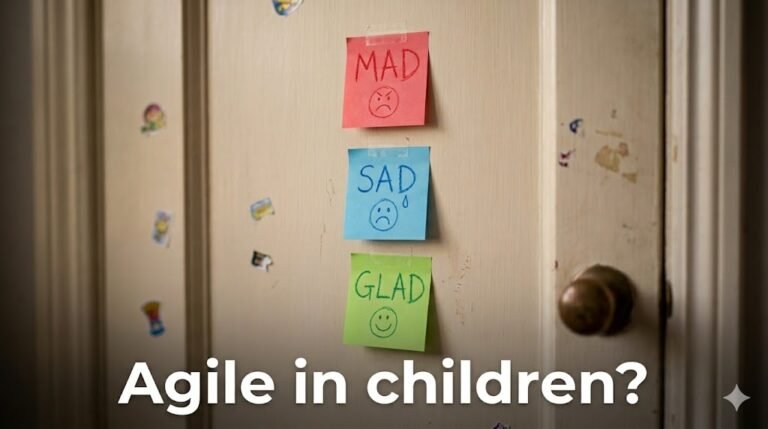
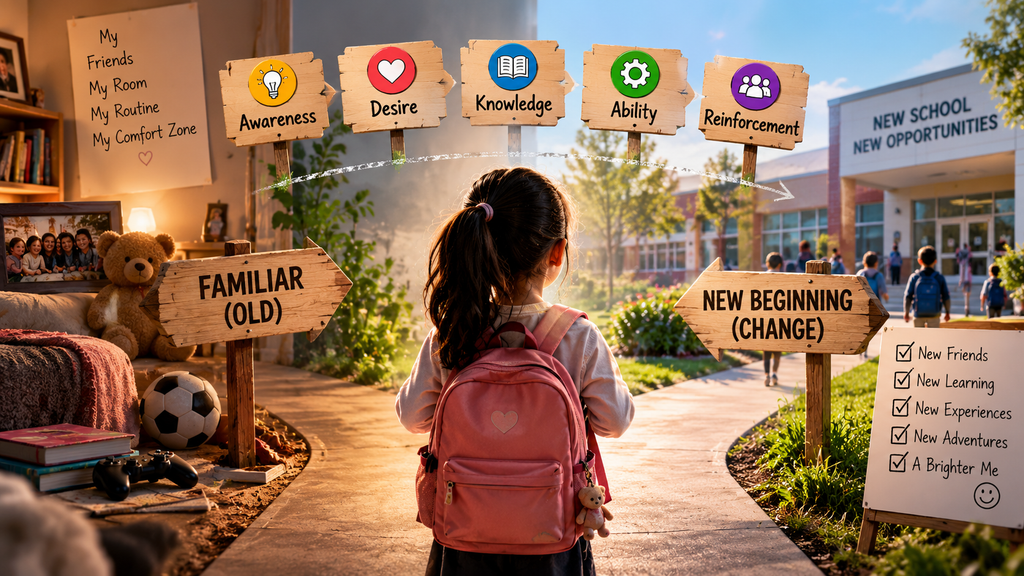
Take a child changing schools, for example.
The first part of change management is Awareness. The child needs to know that the change is coming and understand why it is happening. Instead of suddenly saying, “From tomorrow you’re going to a new school,” we can explain, “You’re moving to a new school because…” Giving the child time to understand the reason creates awareness instead of shock.
Then comes Desire. The child needs a reason to move towards the change. Maybe there will be new friends, a bigger playground or a football club. When the child can see something positive in the new situation, there is a reason to look forward instead of constantly holding on to the old one.
Then comes Knowledge. Knowing the school is changing is one thing, understanding what it actually means is another. What’s better about the new school? What’s harder? How will it affect their friendships and daily routine? Seeing both the advantages and the disadvantages, not just the logistics, is what makes the unknown feel less frightening.
Then comes Ability. Knowing what to do doesn’t automatically mean being comfortable doing it. The child may know how the new school works but still struggle to make friends, ask questions or settle into the routine. Practice, support and time help turn knowledge into ability.
Finally, Reinforcement helps the change become the new normal. If the new school genuinely feels better, there’s usually no looking back. If not, the child may keep thinking about the old school until the new routine slowly becomes just as familiar. Encouragement and support help close that gap.
And that is where I started seeing change management differently.
What about change management at work?
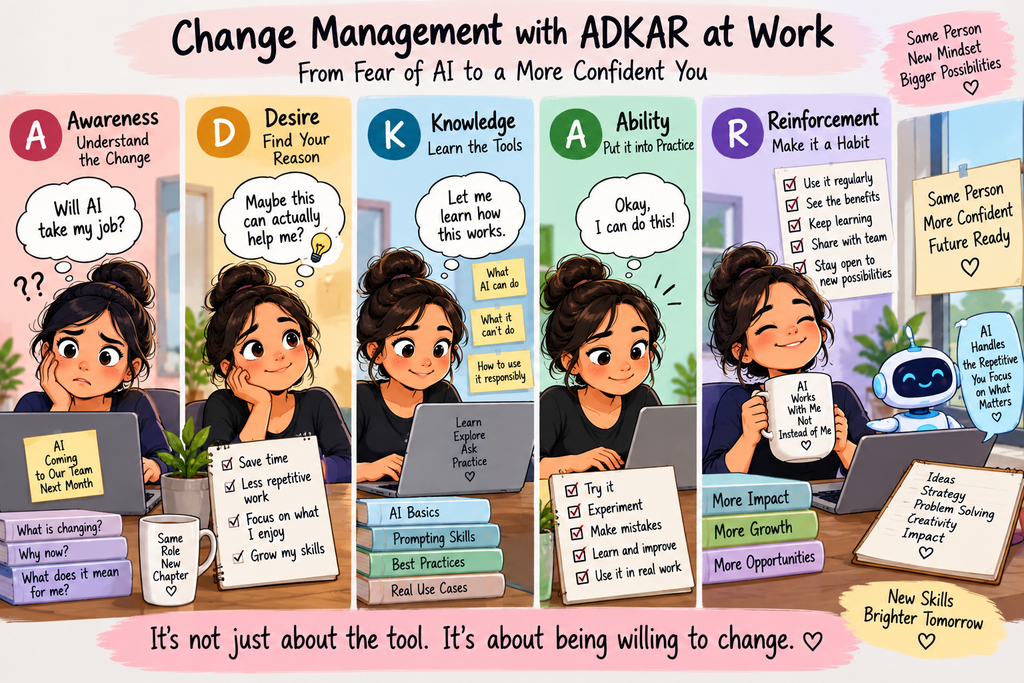
Take something many of us are experiencing now, AI at work.
Imagine being told that from next month, your team is expected to use AI for tasks you have been doing manually for years.
The first reaction for many people may be fear.
“Will AI take my job?”
That is where Awareness matters. Understand what is actually changing, why the organisation is bringing AI into the workflow and what it means for your role.
Then comes Desire. Instead of seeing AI only as something that threatens your job, you may start asking, “How can I use this to make my work easier? What can I do with the time I save?” You start looking for your place in the change.
Knowledge means learning the tools properly. What can AI do? What can’t it do? Which tasks can it help with? How should you use it responsibly?
Then comes Ability. Knowing how AI works is not enough. You need to actually use it, experiment with it, make mistakes and slowly change the way you work.
And finally, Reinforcement means making that new way of working part of your routine instead of treating AI as something you tried once and forgot about.
The reality is that adapting to new technology is no longer just a requirement. It is the need of the hour.
Instead of constantly worrying about whether technology will replace us, maybe the real skill isn’t using the tool. It’s being willing to change how you work with it.
Change management in relationships
A relationship changes when people get married, become parents, move to different cities, go through difficult phases or simply grow in different directions. We may understand the change intellectually, but emotionally, we may take much longer to adjust.
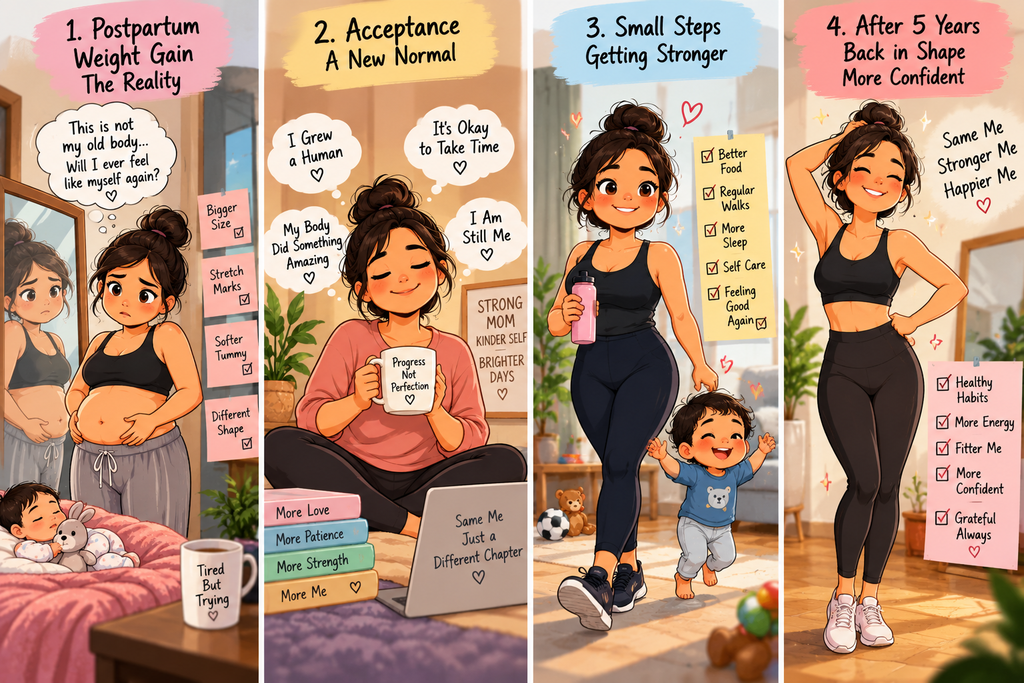
Take postpartum body changes in women.
The body can change in ways a woman may not have expected. Weight changes, stretch marks, changes in shape, tiredness and a completely different relationship with her own body can take time to process.
Awareness means recognising that these changes are real and that the body has gone through something significant.
Desire is not about forcing yourself to look exactly like you did before. It can simply mean wanting to feel comfortable, strong and healthy in your own body again.
Knowledge means understanding what your body needs now, rest, nutrition, movement, recovery and realistic expectations.
Ability comes from slowly putting that knowledge into practice. It may mean starting with small changes rather than expecting yourself to immediately return to your old routine.
And Reinforcement means continuing to take care of yourself even when progress feels slow. Celebrating small changes can help you stop fighting your body and start working with it.
For me, that is where acceptance becomes important.
Acceptance doesn’t mean giving up. It means acknowledging, “This is my body now. Something has changed. Let me understand it, take care of it and take control of what I can.”
I wish someone had explained Change Curve!
Looking back, I don’t think my biggest struggle with change was always the change itself. Sometimes, it was not understanding my own reaction to it. Shock, denial, anger and blame, fear and bargaining, depression, exploration, decision, integration, if I had known these stages even had names, maybe I would have given myself some time instead of asking, “Why can’t I just accept it?”
Because change doesn’t happen in one moment just because someone announces it. Something can change outside us in a day. But accepting that change inside us can take much longer.
What I personally took away from Change Management
Change can happen quickly, but acceptance has its own timeline. I have learnt that just because something has changed around me doesn’t mean I have to immediately feel okay about it. That timeline isn’t the same for everyone, it depends on a person’s background, their sense of authority or control, financial security, confidence, and even their character. For some people, acceptance comes quickly. For others, it takes much longer. Neither is wrong, it’s just a different starting point.
I don’t have to like every change to adapt to it. This is something I wish I had understood earlier. Change can be positive or negative, and acceptance usually moves at a different pace depending on which one it is. When the change is positive, acceptance tends to come easily, we welcome it almost without resistance. But when the change is negative, acceptance takes time. Sometimes a lot of it. And that’s not a flaw, it’s just how we’re wired.
Sometimes the biggest change is the one we make inside ourselves. Understanding what is within our control and what isn’t changes how quickly we can navigate a situation. We cannot always control a new manager, a new technology, a relationship changing or circumstances around us. But we can control how we respond, what we choose to learn, and how we move forward. Once that distinction becomes clear, change stops feeling like something happening to us.
Change management should have been a life skill, not something I discovered later. The more I think about it, the more I feel we could have been taught this much earlier. If we understood change when we were young, maybe some of life’s difficult transitions would feel less like something happening to us and more like something we know how to navigate.
Read about how a new chapter of Content Lashmi started here.